Back to overview
LargeGermany

Weimaraner

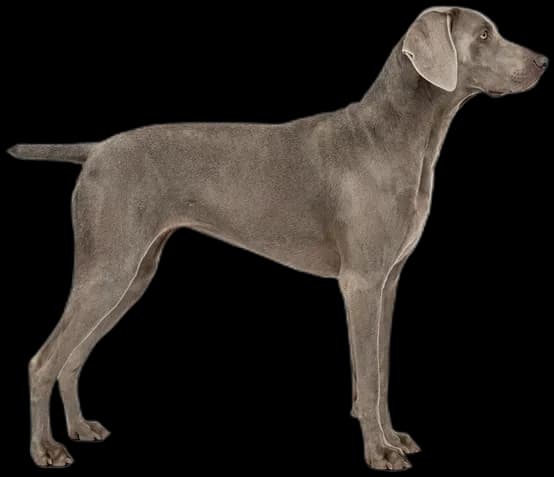
"The Weimaraner is a striking "Gray Ghost" known for its athletic elegance, immense energy, and a profound bond with its family, making it an elite companion for active owners."

Your Height:
180 cm
Human
Weimaraner
Shoulder Height: 65 cm
Age10-13 years
Average life expectancy with species-appropriate husbandry and good health.
Height
Shoulder Height: 59-70cmHead Height: ~84cm (est.)
The standard size measured from the ground to the highest point of the shoulder (withers).
Weight30-40 kg
Ideal body weight for a healthy, adult breed.
Cost/Month€85+
The sum of food, insurance, and basic care per month.

Character Profile

Activity Level
A measure of the daily urge to move and the necessary mental stimulation.

A passionate hunting dog that requires several hours of intense physical exercise and mental stimulation (scent work) daily.

Trainability
The willingness of the breed to cooperate with humans and learn commands quickly.

Highly intelligent and eager to learn, but requires very consistent, expert handling without being harsh.

Family Friendliness
Describes patience and adaptability when dealing with children and family bustle.

Extremely affectionate and loyal to its family; needs to be fully integrated into home life and can be too energetic for toddlers.

Sociability
Behavior towards strangers and other dogs/pets.

Strongly bonded to its 'pack'; often reserved with strangers and possesses a significant protective drive and hunting instinct.

Beginner Friendly
Indicates how well the breed is suited for first-time owners without much experience.

Definitely not for first-time owners; its demanding nature and need for work require deep knowledge of dog behavior.

Apartment Friendly
Considers barking behavior, space requirements, and the general need for rest indoors.

Not suitable for small apartments due to its high energy levels and size; a house with a yard is ideal.

Grooming Effort
Time required for brushing, bathing, and nail care. Long-haired breeds often need daily care.

The short coat is extremely low-maintenance; occasional brushing and regular ear checks are sufficient.

Shedding
How much loose hair the breed loses in the house. Important for allergy sufferers and cleaning effort.

Sheds very little as it lacks an undercoat, making it relatively easy to keep the home clean.

Did you know?

Keeping a pet of this size costs over 80€ per month on average. Plan your finances wisely.

Character & Training

Character & Training: Known as the "Gray Ghost," the Weimaraner is highly intelligent and intensely loyal, often following their owners like a shadow. Their training demands consistency and a firm but gentle hand, as they can be headstrong. Mental stimulation is just as vital as physical exercise; otherwise, they may develop destructive habits. While eager to please, their strong hunting instincts require early socialization and clear boundaries to ensure they remain focused and well-behaved companions.

Living & Exercise

Living & Exercise: This breed is built for action and thrives in spacious homes with large, secure yards. Apartment living is rarely suitable due to their high energy and vocal nature. Owners should be active individuals who enjoy long hikes, running, or dog sports. The Weimaraner struggles with solitude and is prone to separation anxiety if left alone for too long. They are best suited for families where someone is home most of the day to provide interaction.

Health & Grooming

Health & Grooming: Grooming a short-haired Weimaraner is effortless, requiring only weekly brushing to remove loose hair. However, they are susceptible to gastric torsion (bloat), a life-threatening condition that necessitates careful feeding practices and post-meal rest. Other common health concerns include hip dysplasia and certain eye conditions. Potential owners should prioritize breeders who perform rigorous health screenings. A high-quality diet tailored to active, large-breed dogs is essential for maintaining their athletic physique.

History

History: Originating in early 19th-century Germany, the Weimaraner was developed at the Weimar court for noble hunts. Initially used for large game like wolves and deer, they later evolved into versatile gun dogs. Their unique silver-gray coat and tracking skills made them highly prized. Strict breeding standards have preserved their distinct look and intense drive, ensuring they remain an iconic and capable hunting breed today.

Weimaraner | Dog Breeds