Back to overview
MediumCanada

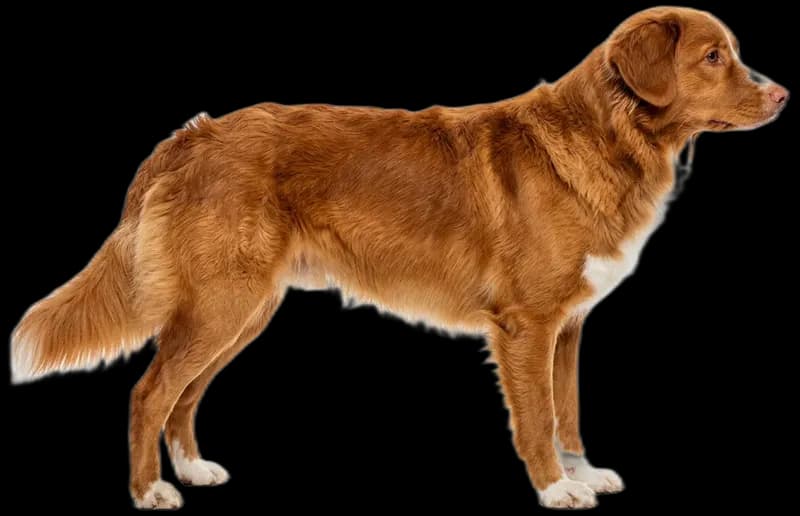
Nova Scotia Duck Tolling Retriever

"The smallest retriever with the biggest drive – an intelligent Canadian working dog known for its playful 'tolling' method and striking copper coat."

Your Height:
180 cm
Human
Nova Scotia Duck Tolling Retriever
Shoulder Height: 50 cm
Age12-14 years
Average life expectancy with species-appropriate husbandry and good health.
Height
Shoulder Height: 48-51cmHead Height: ~63cm (est.)
The standard size measured from the ground to the highest point of the shoulder (withers).
Weight20-23 kg
Ideal body weight for a healthy, adult breed.
Cost/Month€55+
The sum of food, insurance, and basic care per month.

Character Profile

Activity Level
A measure of the daily urge to move and the necessary mental stimulation.

Very high stamina; requires significant physical exercise and daily mental challenges like fetching or agility.

Trainability
The willingness of the breed to cooperate with humans and learn commands quickly.

Intelligent and eager to learn, though sometimes displays a gentle retriever-like stubbornness.

Family Friendliness
Describes patience and adaptability when dealing with children and family bustle.

Very people-oriented and loyal; known to be patient and an excellent playmate for children.

Sociability
Behavior towards strangers and other dogs/pets.

Generally well-compatible with other dogs, but often more reserved toward strangers than e.g. the Golden Retriever.

Beginner Friendly
Indicates how well the breed is suited for first-time owners without much experience.

Suitable for active first-time owners, provided they are willing to invest time in consistent training and exercise.

Apartment Friendly
Considers barking behavior, space requirements, and the general need for rest indoors.

Due to high energy levels, only conditionally suitable for small apartments without a garden.

Grooming Effort
Time required for brushing, bathing, and nail care. Long-haired breeds often need daily care.

The dense, water-repellent coat is easy to maintain but should be brushed weekly.

Shedding
How much loose hair the breed loses in the house. Important for allergy sufferers and cleaning effort.

Sheds moderately throughout the year, with a significantly heavier coat change in spring and autumn.

Did you know?

Keeping a pet of this size costs over 80€ per month on average. Plan your finances wisely.

Character & Training

Highly intelligent and eager to work, the Toller requires constant mental stimulation to thrive. Their unique 'Toller Scream' signals high excitement. Training demands consistency; while independent, they are remarkably sensitive to harsh methods. They learn rapidly and excel in retrieving tasks, making them versatile partners for experienced and active owners.

Living & Exercise

As an energetic hunting breed, the Toller is ill-suited for cramped apartment living without ample outdoor access. They crave daily physical and mental activity, particularly dummy training or canine sports. A rural home with a yard is the ideal setting. Loyal to their family, they appreciate a quiet place to rest after a day of intense work.

Health & Grooming

Their thick, water-repellent double coat requires regular brushing, especially during shedding seasons. Generally robust, the breed is predisposed to certain autoimmune conditions and hip dysplasia. A premium diet combined with routine veterinary screenings and joint care ensures a long, vital life well into their senior years.

History

Developed in Little River, Nova Scotia, Tollers were bred to lure ducks by playing along the shoreline—a technique known as 'tolling'. Officially recognized in 1945, they have evolved from specialized hunting assistants into world-renowned canine athletes and beloved companions prized for their versatility.

Nova Scotia Duck Tolling Retriever | Dog Breeds