Back to overview
LargeGermany

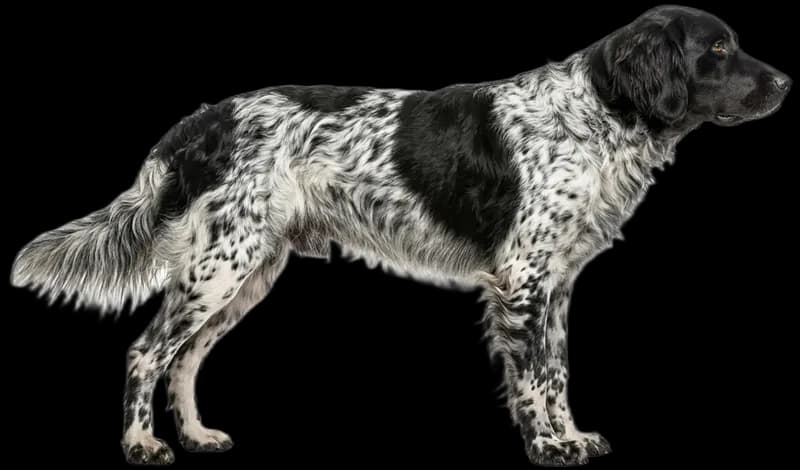
Large Munsterlander

"A noble pointing dog with a striking appearance, excelling through immense work ethic, intelligence, and a loyal nature – the perfect partner for active owners."

Your Height:
180 cm
Human
Large Munsterlander
Shoulder Height: 63 cm
Age12-14 years
Average life expectancy with species-appropriate husbandry and good health.
Height
Shoulder Height: 60-65cmHead Height: ~78cm (est.)
The standard size measured from the ground to the highest point of the shoulder (withers).
Weight28-34 kg
Ideal body weight for a healthy, adult breed.
Cost/Month€80+
The sum of food, insurance, and basic care per month.

Character Profile

Activity Level
A measure of the daily urge to move and the necessary mental stimulation.

As a passionate hunting dog, he requires several hours of intense exercise and meaningful tasks every day.

Trainability
The willingness of the breed to cooperate with humans and learn commands quickly.

He is extremely intelligent, eager to work, and has a high 'will to please', which facilitates training.

Family Friendliness
Describes patience and adaptability when dealing with children and family bustle.

Indoors, he is considered very affectionate, loyal, and good with children, provided his need for exercise is met.

Sociability
Behavior towards strangers and other dogs/pets.

He is usually friendly and confident towards people and other dogs, though he remains watchful.

Beginner Friendly
Indicates how well the breed is suited for first-time owners without much experience.

His strong hunting instinct and work requirements demand consistent leadership from experienced owners.

Apartment Friendly
Considers barking behavior, space requirements, and the general need for rest indoors.

Due to his size and enormous need for movement, he is unsuitable for living in an apartment without a garden.

Grooming Effort
Time required for brushing, bathing, and nail care. Long-haired breeds often need daily care.

The long, dense coat is prone to tangles and should be thoroughly brushed several times a week.

Shedding
How much loose hair the breed loses in the house. Important for allergy sufferers and cleaning effort.

Shedding is moderate but increases significantly during the seasonal coat changes in spring and autumn.

Did you know?

Keeping a pet of this size costs over 80€ per month on average. Plan your finances wisely.

Character & Training

The Large Münsterländer is an intelligent, steady, and affectionate companion. As a versatile hunting breed, it possesses a strong drive to work and exceptional cooperativeness. While training requires consistency, it is highly rewarding due to the dog's quick learning ability. They need clear leadership and mentally stimulating tasks. Indoors, they are calm and balanced, but outdoors they transform into passionate athletes who excel in tracking and fieldwork, always eager to please their handler.

Living & Exercise

This breed is not suited for city apartment living. A house with a large, securely fenced garden in a rural setting is ideal. They require several hours of physical exercise and mental engagement daily, preferably through retrieving, tracking, or agility. Since they seek a close bond with their humans, they must be fully integrated into family life. Keeping them outdoors only is detrimental to their sensitive and social nature and should be strictly avoided.

Health & Grooming

Generally, the Münsterländer is considered a very robust breed. Breed-specific issues like Hip Dysplasia are minimized through strict breeding selection. The long, dense coat is prone to matting on the ears and legs and requires regular brushing, especially after trips into the field. Checking for parasites and cleaning the floppy ears are essential to prevent infections. A balanced diet and rest periods after meals are vital to reduce the risk of bloat in this agile dog.

History

The breed's roots lie in the Münsterland region of Germany, emerging from black-and-white spaniels and pointers. Originally, it was the black-and-white color variant of the German Longhaired Pointer until a separate club was founded in 1919. Its historical task has always been versatile work 'after the shot' – locating and retrieving game in fields, forests, and water under challenging conditions.

Large Munsterlander | Dog Breeds