Back to overview
LargeTurkey

Turkish Van

"The Turkish Van is a fascinating, athletic cat, particularly known for its love of water. With its striking, predominantly white coat and colored markings on the head and tail, it radiates elegance. Intelligent, playful, and a loyal companion for people who can provide plenty of activity."

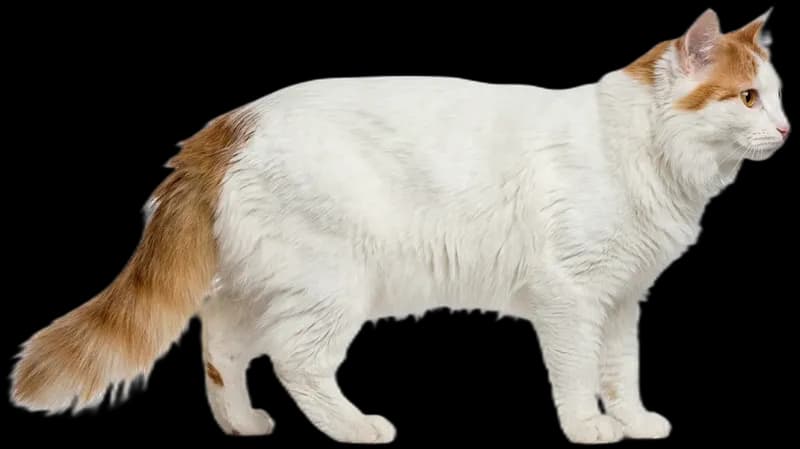
Your Height:
180 cm
Human
Turkish Van
Shoulder Height: 33 cm
Age12-16 years
Average life expectancy with species-appropriate husbandry and good health.
Body Length
50-65cmBack Height: 30-35cm
Body length from nose to base of the tail.
Weight6-9 kg
Ideal body weight for a healthy, adult breed.
Cost/Month€60+
The sum of food, insurance, and basic care per month.

Character Profile

Activity Level
A measure of the daily urge to move and the necessary mental stimulation.

Very agile, loves movement and climbing.

Affection Level
How cuddly and attached the breed is – some cats constantly seek physical contact, others are more aloof.

Forms close bonds with their favorite humans.

Independence
How well the cat can cope on its own. Independent breeds need less attention.

Has a strong-willed, confident personality.

Family Friendliness
Describes patience and adaptability when dealing with children and family bustle.

Good family companion but needs retreat options.

Beginner Friendly
Indicates how well the breed is suited for first-time owners without much experience.

Due to its temperament, better suited for experienced owners.

Apartment Friendly
Considers space requirements, the general need for rest, and how well the cat can cope with indoor living.

Needs plenty of space and climbing opportunities.

Grooming Effort
Time required for brushing, bathing, and nail care. Long-haired breeds often need daily care.

Regular brushing is necessary.

Shedding
How much loose hair the breed loses in the house. Important for allergy sufferers and cleaning effort.

Moderate shedding, especially during seasonal changes.

Vocalization
How talkative the breed is. Some cats meow frequently and loudly, while others are rather quiet.

Likes to communicate expressively.

Did you know?

Keeping a pet of this size costs over 80€ per month on average. Plan your finances wisely.

Character & Training

The Turkish Van is characterized by a lively, intelligent, and playful nature. They are known for their curiosity and desire to be part of family life without being overly demanding. These cats are very quick learners and can often even be taught to fetch. Despite their affectionate nature, they maintain a certain independence and prefer to decide themselves when they want to be petted. Their love for water is legendary, and they often play extensively with running water sources.

Living & Exercise

As an active and climbing-loving breed, the Turkish Van needs plenty of space to roam. A cat-proofed garden or a secured balcony is highly appreciated by this energetic cat. Indoors, they should be provided with numerous climbing opportunities and high vantage points to satisfy their natural instincts. Because they are very intelligent, they should also be mentally challenged through varied toys or clicker training. Boredom should definitely be avoided to prevent them from acting out their energy destructively.

Health & Grooming

The Turkish Van is a robust and healthy natural breed. As with many cats, a balanced diet is important to avoid obesity, as they can sometimes be prone to getting a bit heavy. The coat is semi-long, very soft, and lacks an undercoat, which makes grooming easier. Nevertheless, they should be brushed thoroughly at least once or twice a week to prevent matting and remove loose hair. Regular veterinary check-ups and vaccinations are essential for a long life, even for this sturdy breed.

History

The Turkish Van originated in the region around Lake Van in eastern Turkey. They developed in isolation within this mountainous environment over centuries, which shaped their unique character and athleticism. In Europe, the breed only became known in the 1950s when two British travelers brought the cats back from Turkey. Due to their distinctive appearance—the so-called Van pattern—and their unusual preference for swimming in Lake Van, they quickly attracted attention. Today, they are a valued, albeit relatively rare, breed in international cat breeding.

Turkish Van | Cat Breeds